
When an Underground Plumbing Problem May Require Excavation
An unexplained wet area in the yard, a rising water bill, or a drain that repeatedly backs up can point to a problem beyond the visible plumbing inside a home. Sometimes the affected pipe is buried underground, where standard indoor plumbing repairs can't reach it.
For homeowners in Elyria and Lorain County, understanding when plumbing excavation may be necessary can make the repair process easier to navigate. Not every underground plumbing problem requires digging, but some pipe damage needs direct access for a proper repair.
Knowing the warning signs and how plumbers locate buried problems can help homeowners understand what comes next.
What Does Plumbing Excavation Mean?
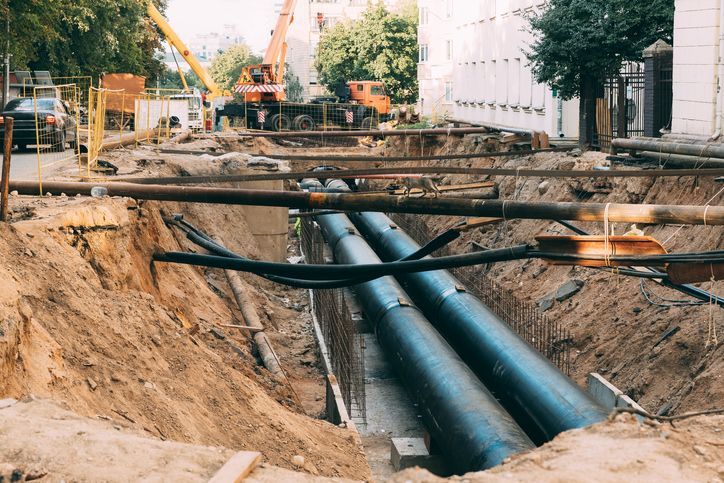
Plumbing excavation involves removing soil or other surface materials to access underground plumbing pipes for inspection, repair, or replacement.
Depending on the damaged line's location, excavation may involve digging in a yard, landscaped area, or beneath a paved surface. The amount of excavation depends on the pipe's depth, location, and condition.
This work is not limited to sewer pipes. Buried water supply lines, drainage pipes, and other underground plumbing connections may also require excavation when damage cannot be repaired through an accessible opening.
The purpose is to expose the affected plumbing so the necessary work can be completed.
Why Some Plumbing Problems Cannot Be Repaired From Inside the Home
Many plumbing problems can be corrected through accessible pipes, drains, or fixtures inside the home. However, those repairs cannot address every problem occurring underground.
A buried pipe may crack, leak at a connection, or become damaged enough to disrupt normal water flow or drainage.
For example, clearing a drain might temporarily restore flow, but it won't fix a broken section of underground piping. Similarly, repairing an indoor connection will not stop a leak in a buried water line outside the foundation.
When the damaged portion cannot be reached through an existing access point, excavation may be needed to expose it.
Signs There May Be a Problem With a Buried Plumbing Line
Underground plumbing problems are not always easy to recognize because the affected pipes are hidden from view.
Homeowners may notice unusual conditions that warrant a closer inspection, including:
- Persistent wet spots or unusually soft ground in the yard
- Water collecting outside when there has been little rainfall
- An unexplained increase in water usage or utility bills
- Reduced water pressure without an obvious indoor cause
- Slow drains or recurring drainage backups
- Unusual odors near outdoor drains or underground plumbing connections
These symptoms do not automatically mean excavation is necessary. Water can collect for several reasons, and drainage problems may originate inside the home. A plumbing inspection helps determine whether the issue involves a buried pipe.
Why Recurring Plumbing Problems Deserve Further Investigation
A plumbing problem that keeps returning after an initial repair may indicate the underlying cause hasn't been corrected. Repeated drain blockages, for example, may result from a damaged pipe section that continues to restrict flow. A buried water line leak may also continue even when no visible moisture appears inside the home.
Rather than repeatedly addressing the immediate symptoms, a plumber may recommend additional testing to identify the source. Homeowners should pay attention to how frequently problems occur, which fixtures are affected, and whether outdoor conditions change when the issue appears.
These details can help determine whether further underground plumbing investigation is appropriate.
How Plumbers Locate Underground Plumbing Damage
Before recommending excavation, plumbers generally need to identify which part of the plumbing system may be affected. The investigation typically begins with reviewing the symptoms and inspecting accessible plumbing connections.
For suspected water line leaks, plumbers may evaluate water meter readings, pressure changes, and available shutoff points to help narrow down the problem.
Drainage problems may require a video camera inspection to examine the inside of accessible piping. A camera can help identify certain obstructions, cracks, and changes in pipe alignment.
Electronic line locating equipment may also help trace buried piping and identify areas that need further investigation. The right inspection methods depend on the pipe type, accessibility, and suspected problem.
When Excavation May Be Necessary
Excavation becomes a consideration when a buried pipe has physical damage that cannot be adequately repaired through an accessible opening.
This may include a broken underground water line, a failed pipe connection, or a damaged section that needs to be removed and replaced.
In some situations, a repair method that avoids digging may be appropriate. However, these options depend on the plumbing's condition and location.
A plumber should evaluate the available repair methods before determining whether direct underground access is necessary.
What Homeowners Can Expect During Plumbing Excavation
If excavation is recommended, homeowners should receive an explanation of where the suspected problem is located and what work may be required.
Before digging begins, the appropriate locating process must address underground utilities. In Ohio, the excavator must notify OHIO811 so participating utility operators can identify and mark their buried facilities. Privately owned lines may require separate locating.
Once the work area is established, the excavation provides access to the affected plumbing. The damaged section can then be inspected, repaired, or replaced as needed.
Water service or drainage use may need to be interrupted during the repair.
After the plumbing work is checked, the excavated area can be backfilled. Homeowners should also confirm whether the project includes restoring landscaping, concrete, or other disturbed surfaces.
Why Accurate Location Matters Before Digging
An underground plumbing problem does not always appear directly above the damaged pipe. Water can travel through surrounding soil before becoming visible at the surface. Drainage problems may also affect fixtures located some distance from the actual obstruction or pipe failure.
Locating the suspected damage before excavation helps plumbers determine where access is needed. This can reduce unnecessary digging and clarify the scope of work.
Although underground conditions may reveal additional issues once a pipe is exposed, careful investigation gives the excavation a defined purpose.
Why Underground Plumbing Problems Should Be Addressed Before Winter
Cold weather adds another consideration for homeowners in Elyria and Lorain County.
As temperatures fall, frozen or saturated ground can make excavation and surface restoration more challenging. Shallow or otherwise vulnerable water lines may also be exposed to freezing conditions.
An existing underground leak can continue wasting water, while a recurring drainage problem may remain disruptive throughout winter.
Investigating suspected plumbing damage before colder conditions arrive can help homeowners plan necessary repairs and avoid leaving an unresolved problem unattended.
When to Contact Valu-Rooter for an Underground Plumbing Problem
If you notice recurring drainage issues, unexplained outdoor moisture, or signs of a buried water line leak, a professional plumbing evaluation can help identify the cause.
Valu-Rooter provides general plumbing services, including leak detection and water line repair and replacement. The company's broader plumbing services also include underground line locating and sewer excavation.
For homeowners considering plumbing excavation in Elyria, OH, or underground plumbing repair in Lorain County, OH, the first step is determining where the problem is located and whether direct access is necessary.
Contact Valu-Rooter at 440-324-4321 to discuss your underground plumbing concerns and schedule service.