
Holiday Drain Survival Guide for Ohio Homes
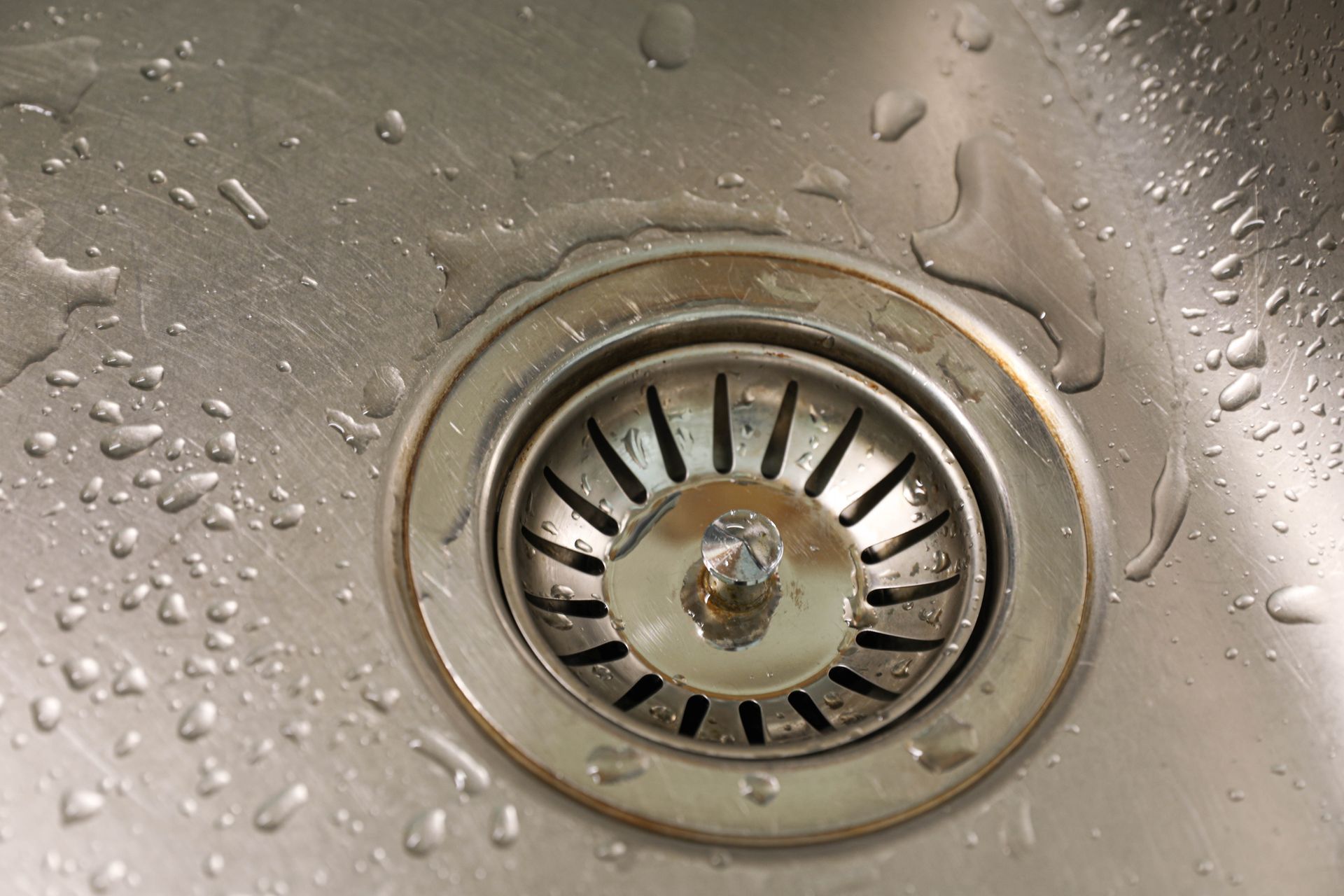
What Not to Put Down the Sink This Season
The holiday season brings full kitchens, packed dining rooms, and more time spent cooking than almost any other part of the year. In Lorain County—from Elyria and Avon to North Ridgeville, Amherst, and Lorain—homeowners host larger gatherings, prepare bigger meals, and rely heavily on their sinks and garbage disposals. Those holiday habits also make this one of the most common times for kitchen clogs.
This guide walks through the most common holiday drain problems, what not to put down the sink, how to handle turkey grease properly, and what to do if your drain slows or backs up during a gathering.
Book a drain clean in Elyria.
9 Things You Should Never Put Down the Drain (Holiday Edition)
These items may seem harmless in the moment, but they are responsible for many seasonal clogs in Ohio homes. Each includes a safe alternative disposal method so cleanup stays easy and your drains stay clear.
1. Turkey Grease & Cooking Oil
Why it’s a problem: Grease solidifies quickly in cold pipes and sticks to the interior, creating heavy buildup. When mixed with other food scraps, it can eventually create blockage “masses” that restrict flow.
Dispose: Let grease cool, then pour into a sealed container. Throw it in the trash or take it to a local recycling or used-oil drop-off.
2. Pan Drippings & Gravy
Why it’s a problem: Drippings and gravy contain high amounts of fat that solidify as the temperature drops, coating pipe walls.
Dispose: Wipe pans with paper towels and toss them in the trash before rinsing.
3. Poultry Skin & Fat Trimmings
Why it’s a problem: These soft pieces cling to pipe walls and catch other debris, forming tough clogs.
Dispose: Collect scraps in a bag and throw them away with regular waste.
4. Bones (Turkey, Ham, Roast)
Why it’s a problem: Bones can damage disposal blades, break apart inside the unit, and lodge in the P-trap.
Dispose: Throw bones in the trash or use municipal compost if accepted in your area.
5. Potato Peels & Fibrous Vegetables
Why it’s a problem: Potato peels create a starchy paste. Celery, pumpkin fibers, and similar veggies wrap around disposal impellers.
Dispose: Compost or throw them away.
6. Rice, Pasta & Stuffing
Why it’s a problem: These foods absorb water, swell, and collect in the trap, causing slow draining or complete blockage.
Dispose: Compost small amounts or toss in the trash.
7. Coffee Grounds
Why it’s a problem: Grounds settle in pipe bends and trap oils and food particles.
Dispose: Compost or place in the trash.
8. Eggshells
Why it’s a problem: The thin membrane can wrap around impeller blades, and the shell fragments create gritty buildup inside pipes.
Dispose: Compost or throw away.
9. Stringy Veggies, Onion Skins & Fruit Peels
Why it’s a problem: These long fibers create net-like tangles around disposal parts and inside traps.
Dispose: Compost or throw in the trash.
Turkey Grease 101: Safe Disposal for Ohio Kitchens
Why Grease Is Worse in Cold Weather
Ohio’s cold seasonal temperatures accelerate the solidification of grease. As grease cools inside the line, it binds with food scraps and hardens into a thick buildup. Over time, this slows down the draining process and can lead to complete blockages or even sewer backups if the accumulation reaches deeper sections of the plumbing.
Step-by-Step Grease & Oil Disposal
- Cool completely after cooking.
- Pour into a can or jar, leaving room at the top.
- Seal tightly and place in the trash.
- Scrape all plates and pans into the trash before rinsing.
- Keep a dedicated “Grease Can” on the counter during holiday cooking for easy access.
Municipal Tips for Northeast Ohio
Most Northeast Ohio communities, including those in Lorain County, prefer that grease be placed in sealed containers and discarded with regular household waste. Some cities offer recycling or drop-off programs for used cooking oil. Homeowners should check their city service department websites for specific guidelines and locations.
Smart Garbage Disposal Habits During the Holidays
Your disposal can handle light scraps, but it’s not designed for heavy holiday food waste. Keeping these habits in mind prevents unnecessary wear and tear:
- Send only small, soft scraps into the disposal.
- Run cold water before, during, and after using the unit to keep oils solid enough to carry through.
- Avoid continuously feeding food. Instead, introduce small amounts gradually.
- Clean using ice cubes and a small amount of dish soap—this helps remove residue and freshen the chamber.
- Avoid using any type of harsh chemical drain cleaner, as they can damage pipes and negatively impact septic systems.
Early Warning Signs Your Drain Is About to Clog
- Kitchen drains rarely clog without warning. Watch for these signs in the days leading up to your gathering:
- Slow draining or water pooling in the sink.
- Gurgling sounds when using the sink or when the dishwasher drains.
- Odors that resemble sewage or rotten eggs.
- Debris backs up into the sink after running water or the disposal.
Noticing any of these? Book a drain clean in Elyria.
If the Sink Slows or Backs Up: What To Do (and Not Do)
What To Do
- Turn off the disposal immediately.
- Try a sink plunger (use one dedicated to sinks only).
- Flush with boiling water if your system does not have fragile PVC or older fixtures.
- Use a baking soda and vinegar rinse, followed by hot water, to help remove minor buildup.
- If comfortable, empty the P-trap by placing a bucket underneath and carefully removing the trap.
What Not To Do
- Don’t keep feeding food into the disposal.
- Please don’t use chemical drain cleaners; they can damage pipe interiors.
- Don’t run the dishwasher—the water drains into the same line and will worsen the backup.
When to Call a Professional
- Multiple fixtures are backing up or draining slowly.
- You smell sewage near sinks or floor drains.
- Water backs up into lower drains, especially in basements.
- DIY methods work only briefly or not at all.
How Hydro-Jetting Solves Stubborn Holiday Clogs
Hydro-jetting uses high-pressure water streams to clear buildup inside kitchen and main drain lines. It removes grease mats, accumulated food waste, and early root growth that a standard drain snake cannot fully address.
When We Recommend Jetting
- Recurring holiday clogs
- Heavy grease accumulation from frequent cooking
- Older Ohio sewer lines with narrowed sections
- Homes where snaking has provided only temporary relief
Adding a Camera Inspection
After jetting, a camera inspection helps confirm the line is fully clear. It can also identify structural issues such as:
- Bellied sections
- Cracked or offset pipes
- Intruding roots
- Debris buildup in deeper connections
Ask about camera inspection + jetting combos for holiday kitchens.
Preventing Main Line & Sewer Backups During Guest Season
Increased water usage during the holidays can put stress on the entire plumbing system—not just the kitchen drain. These simple steps help prevent sewer backups:
- Spread out dishwasher and laundry cycles to avoid overloading the main line.
- Remind guests that toilets should only be used for toilet paper—no wipes, cotton pads, or other hygiene products.
- Add hair catchers to guest bathroom showers and tubs.
- Verify that the outdoor cleanout cap is in place and securely fastened.
If you hear gurgling from a basement floor drain or notice water pooling, treat it as a main line concern and call promptly.
Quick Holiday Kitchen & Bath Checklist
Before Guests Arrive
- Empty your grease jar or grease can.
- Stock extra sink strainers and trash bags.
- Confirm that the disposal and related GFCI outlet function properly.
During Cooking
- Scrape plates into the trash before rinsing.
- Wipe down pans to remove oils.
- Use sink strainers to catch food scraps.
- Run cold water while using the disposal.
After Meals
- Flush drains with hot water for a few minutes.
- Empty sink strainers.
- Pour collected grease into your grease jar or can.
- Check for signs of slow draining.
Why Choose Valu-Rooter for Holiday Drain & Sewer Protection
Valu-Rooter provides reliable, local drain cleaning services throughout Ohio. Our team is licensed and insured, and we offer 24/7 emergency service during the holiday season when kitchen and main line issues tend to spike.
What We Offer
- Fast scheduling and up-front pricing
- Kitchen drain cleaning
- Main line clearing
- Hydro-jetting
- Camera inspections
- Root removal
- Clogged drain repair throughout Lorain County
Our Service Areas Include:
- Elyria
- Lorain
- North Ridgeville
- Avon
- Amherst
- Sheffield Lake
- Vermilion
- Oberlin and the surrounding communities
Schedule post-feast jetting if sinks slow. Call Valu-Rooter today for clogged drain repair in Lorain County!