
Snowmelt and Basement Flooding: How to Protect Your Home
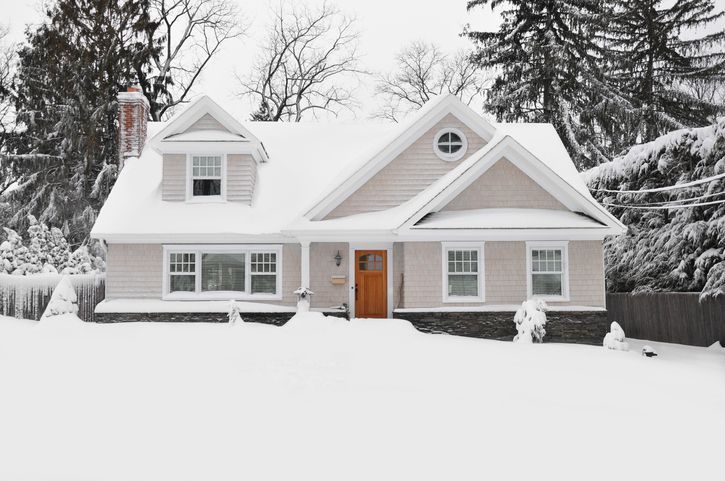
Winter in Lorain County doesn’t end when the snow stops falling. In fact, some of the most common basement flooding issues happen after a snowfall—when temperatures rise, and all that snow begins to melt.
Homeowners in Elyria, Lorain, North Ridgeville, Avon, Amherst, Sheffield Lake, and Vermilion often encounter water problems during late winter thaws, even if their basements remained dry throughout the rest of the season.
This guide explains why snowmelt causes basement flooding, how sump pump failures and frozen pipes, common during Ohio winters, contribute, and what you can do to reduce your risk. We’ll also walk through clear, step-by-step actions to take if water is already entering your basement or if you’re dealing with frozen or burst pipes. The goal is simple: help you protect your home and know exactly when to call for professional help.
Why Snowmelt Causes Basement Flooding in Ohio
Basement flooding during winter thaws is usually not caused by a single issue. It’s the result of how Ohio soil, weather patterns, and home drainage systems interact.
Frozen ground and clay soil push water toward your foundation.
Much of Lorain County has clay-heavy soil. Clay drains slowly even in ideal conditions. When the ground is frozen, it can’t absorb water at all. As snow melts, water travels across the surface and settles along foundation walls, increasing pressure against basement floors and walls.
Roof and gutter melt concentrates water near the home.
Snow melting on your roof doesn’t disappear—it flows into gutters and exits at downspouts. If downspouts are short, frozen, or clogged, meltwater is released directly next to the foundation, where it can seep into the ground.
Thaw-refreeze cycles redirect water.
Ohio winters often bring warmer days and freezing nights. This freeze-thaw cycle can create ice dams on roofs and frozen ground around the home, forcing water to move in unexpected directions—often toward basement walls or window wells.
Increased municipal and groundwater pressure.
When snow melts across an entire neighborhood, municipal storm systems can become overloaded. This raises groundwater levels around homes, putting additional strain on sump pumps and foundation drainage systems.
The Hidden Weak Links During Thaws
Snowmelt flooding often exposes problems that stayed hidden earlier in the winter.
Sump Pumps That Fail When You Need Them Most
A sump pump may appear fine during dry weather, but struggle during heavy snowmelt. Common issues include worn switches, clogged intakes, undersized pumps, or motors that can’t keep up with rising groundwater. If a pump hasn’t been tested recently, a thaw can be the first time it’s asked to work continuously.
Frozen Discharge Lines
Even if the sump pump itself is functioning properly, the system can still fail if the discharge line becomes frozen. When water can’t exit the line, it backs up into the sump pit and eventually overflows onto the basement floor.
Frozen or Burst Interior Pipes
Exterior walls, crawl spaces, garages, and unfinished basements are particularly vulnerable to frozen pipes. During a thaw, frozen pipes may crack or burst as water pressure changes, releasing large amounts of water into the home quickly.
Prevention Checklist for Snowmelt Season
Taking proactive steps before and during winter thaws can reduce the risk of basement flooding.
Sump Pump & Pit
- Test the sump pump by pouring water into the pit
- Listen for unusual noises or delayed activation
- Clear debris from the pit
- Confirm the float switch moves freely
- Consider a secondary or battery backup pump
Discharge Line
- Check for ice buildup or blockages
- Ensure the line exits far enough from the foundation
- Insulate exposed sections of pipe
- Confirm the outlet isn’t buried under snow
Power & Monitoring
- Test backup batteries
- Consider a water or pump alarm
- Make sure GFCI outlets are working properly
Gutters & Grading
- Clear ice and debris from gutters
- Extend downspouts at least 6–10 feet from the home
- Remove snow buildup near the foundation
- Check that the soil slopes away from the foundation and house
Frozen Pipe Prevention
- To help keep your pipes from freezing this winter, follow these tips:
- Keep basement temperatures consistent
- Insulate exposed pipes
- Seal foundation cracks and rim joists
- Allow faucets on exterior walls to drip slightly during extreme cold
Get Your Basement Ready for Winter
We recommend these tips to get your basement ready for the winter season:
- Keep valuables elevated
- Ensure floor drains are clear
- Know where your main water shutoff is located
It is also important to book a winter sump pump tune-up and discharge freeze check before the next thaw.
What To Do Right Now If Water Is Entering the Basement
If you notice water in your basement during a thaw, quick action can limit damage.
Check the sump pump first.
Make sure it’s running and discharging water outside. If the pit is full and the pump isn’t turning on, turn off the power and call for service.
Inspect the discharge line.
Look for ice or blockages. If it’s frozen, do not force water through—it can damage the pump.
Remove standing water safely
Use a wet/dry vacuum or portable pump if safe to do so.
Protect electrical systems
Avoid outlets or extension cords near standing water.
Document the issue
Take photos in case repairs or insurance documentation are needed.
If water continues to rise, it’s time to contact an emergency plumber in Elyria or Lorain County for immediate assistance.
If a Pipe Is Frozen or Burst
Frozen or burst pipes require prompt attention to prevent extensive damage.
- Shut off the main water supply immediately
- Open faucets to relieve pressure
- Do not use open flames to thaw pipes
- Apply gentle heat with space heaters or warm towels if accessible
If a pipe has burst, turn off the water and call a professional
Burst pipes are capable of releasing hundreds of gallons of water in a short time. Professional repair is often the safest and fastest solution.
Emergency sump pump repair is available in Lorain County 24/7.
Repair and Upgrade Options That Make a Big Difference
If your home has experienced snowmelt flooding before, targeted upgrades can help reduce future risk.
- Sump pump replacement or upsizing
- Battery backup or water-powered backup systems
- Discharge line rerouting or freeze protection
- Interior drainage systems
- Foundation crack sealing
- Pipe insulation and freeze-proofing upgrades
A professional inspection can identify which improvements make sense for your specific home.
Local Factors in Lorain County You Should Know
Homes in Lorain County face a few unique challenges:
- Older neighborhoods may have aging sump pumps and clay sewer laterals.
- High water tables near Lake Erie increase groundwater pressure.
- Rapid temperature swings increase freeze-thaw stress on plumbing.
- Many basements were built before modern drainage standards were established.
Understanding these local conditions helps homeowners plan more effectively for winter thaws.
Why Choose Valu-Rooter
Valu-Rooter works with homeowners across Lorain County and Elyria to address sump pump issues, frozen pipes, and emergency flooding situations. Our team understands local soil conditions, weather patterns, and the plumbing challenges common in older Ohio homes.
We focus on clear and open communication, practical solutions, and timely service—whether you need a routine inspection or immediate emergency help.
Schedule Service Before the Next Thaw
Schedule a sump pump inspection before the next thaw.
Need help now? Call for emergency plumbing service in Lorain County.
Being prepared before snowmelt starts can make all the difference