
Signs Your Sewer Line May Need Repair Before Spring Rains Start
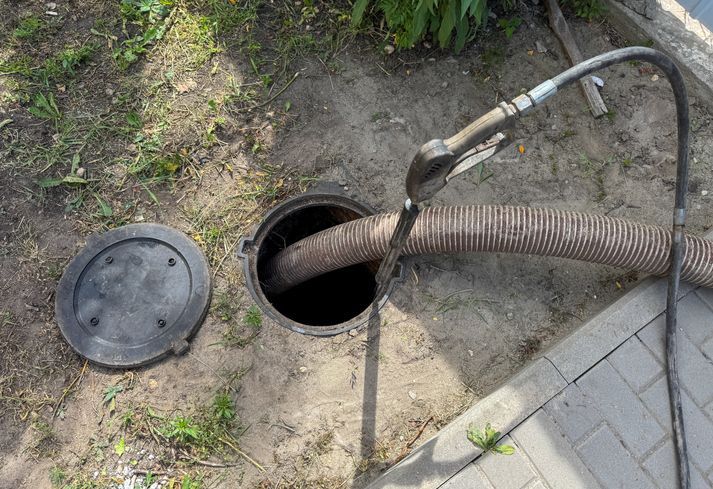
When spring rains arrive in Elyria, Lorain, and across Lorain County, plumbing problems that stayed hidden through winter can start showing up fast. A sewer line that is already cracked, blocked, sagging, or invaded by tree roots may struggle even more when the ground becomes saturated and drainage demand goes up.
That is why many homeowners first notice sewer trouble at the end of winter or the start of spring. A slow drain, a bad smell, or a soggy patch in the yard may not seem urgent at first. But in many cases, those are early signs of sewer line problems that should not be ignored.
Knowing what to watch for can help you act before spring weather turns a manageable repair into a messy backup or more expensive damage. Here are the most common signs your sewer line may need repair before spring rains start.
Why Spring Is a Common Time for Sewer Problems
Spring often puts extra stress on underground plumbing. After a long Ohio winter, the soil begins to thaw, rain becomes more frequent, and groundwater levels can rise. If your sewer line already has weak spots, those changing conditions can make the problem worse.
Ground saturation is one reason. When the soil around your sewer line becomes wet and heavy, it can shift and put pressure on aging pipes. Small cracks or joints that were already vulnerable may begin to leak or separate more.
Tree root activity can also become a bigger issue in spring. Roots naturally seek moisture, and sewer lines can attract them through even tiny openings. Once roots get inside, they can slow drainage, catch debris, and eventually block the pipe.
Spring also tends to reveal damage that developed over time. Older sewer lines may already have wear from age, corrosion, movement in the soil, or repeated clogs. Once rain and seasonal changes arrive, those hidden issues may finally become noticeable inside and outside the home.
Warning Signs Your Sewer Line May Need Repair
Some sewer problems appear suddenly, but many start with smaller warning signs. Paying attention to these early clues can help you get the line inspected before the issue grows.
Multiple Slow Drains at Once
A single slow sink does not always mean you have a sewer line problem. It could be a local clog close to that fixture. But if more than one drain in your home is slow at the same time, that is a different story.
For example, if the shower drains slowly, the bathroom sink bubbles, and the toilet does not flush normally, the problem may be deeper in the system. When several fixtures are affected together, it can point to an issue in the main sewer line rather than one isolated drain.
This is especially important if the slow drainage seems to keep coming back, even after plunging or using a drain cleaner.
Gurgling Sounds From Toilets or Drains
Strange plumbing noises are easy to dismiss, but gurgling is often a sign that air is being trapped where it should not be. When wastewater cannot move through the sewer line the way it should, air can bubble back through drains and toilets.
You might hear a toilet gurgle after running the sink. You may hear bubbling in a tub drain when the washing machine empties. These sounds often suggest that the system is not venting or draining properly.
If gurgling keeps happening, especially in more than one fixture, it is worth having the sewer line checked.
Sewage Smells in the Home or Yard
A healthy plumbing system should not make your home or yard smell like sewage. If you notice a persistent sewer odor indoors or outside near the foundation, driveway, or lawn, there may be a break, blockage, or leak somewhere in the line.
Indoor odors may show up in a basement, bathroom, or utility area. Outside, you may catch a strong smell in one part of the yard even when there is no visible standing water.
Odors can have more than one cause, but they should always be taken seriously. Sewer gas smells are not something homeowners should ignore and hope will go away on their own.
Wet Spots or Sunken Areas Outside
One of the clearest outdoor signs of sewer line trouble is an area in the yard that stays soggy for no obvious reason. If one section of the lawn is unusually wet, extra green, or soft underfoot, wastewater may be leaking underground.
In some cases, the soil above a damaged sewer line may begin to sink or settle. You may notice a shallow dip forming in the yard, or a spot that stays muddy even when the rest of the lawn is drying out.
These issues can become more noticeable in spring because the added rain makes it harder for the ground to absorb extra moisture from a leaking pipe.
Backups That Keep Coming Back
A recurring backup is one of the strongest signs that a sewer line problem may be present. If you have already dealt with a clogged toilet, a drain backup, or wastewater coming up in a basement drain more than once, the issue may not be a simple clog.
Repeated backups often mean something deeper in the line is restricting flow. That could be roots, pipe damage, a sag in the line, or buildup that keeps catching waste and debris.
If you are seeing these warning signs, a sewer issue may be more likely when:
- More than one drain is slow at the same time
- Toilets gurgle when other fixtures are used
- Sewer odors keep coming back
- Yard spots stay wet without a clear cause
- Backups happen more than once
If the same problem keeps returning, it is time to stop treating the symptom and find the actual cause.
Why Older Ohio Homes Often Have More Sewer Line Trouble
Many homes in Elyria, Lorain, and nearby communities have older plumbing systems. That does not automatically mean a sewer repair is needed, but age can increase the chances of trouble
Older sewer lines may be made from materials that are more likely to crack, corrode, collapse, or shift over time. Years of freezing and thawing can also affect the surrounding soil. As the ground moves, the line can settle unevenly or joints can separate.
Common reasons older homes run into sewer line trouble include:
- Aging pipe materials
- Soil movement over time
- Tree root intrusion
- Wear from years of use
- Previous patch repairs that did not fully solve the issue
Over time, those factors can turn a small issue into a repair job. That is why older homes often benefit from early inspection when warning signs appear.
What to Do if You Notice These Signs
If you suspect a sewer issue, the best first step is to reduce how much water you send through the system until the problem is checked. Heavy use can make a blockage or damaged line worse.
Try not to keep running water through affected fixtures just to test whether the problem clears up. Repeated flushing, laundry loads, or long showers can increase the chance of a backup if the main line is already struggling.
It is also smart to avoid guessing. Store-bought drain products may not solve a main sewer line issue, and in some cases they can create more problems. A sewer line problem usually needs proper diagnosis, not trial and error.
A good rule of thumb is to:
- Cut back on heavy water usage
- Avoid chemical drain cleaners
- Watch for changes in smell, drainage, or yard conditions
- Schedule a professional inspection before the problem gets worse
Calling a professional early can help you understand whether the problem is minor, moderate, or urgent before damage spreads.
How Sewer Line Problems Are Diagnosed and Repaired
The right repair starts with the right diagnosis. In many cases, a plumber will recommend a sewer camera inspection to see what is happening inside the line. This can reveal common issues such as root intrusion, cracks, offsets, buildup, standing water, or pipe collapse.
Once the cause is clear, the repair options can be explained based on the condition of the line. Some problems may be handled with a targeted repair in one section. Others may require a larger fix if the pipe has broader damage.
In some situations, trenchless options may be available. In others, more traditional repair methods may make more sense. The right solution depends on the location of the damage, the pipe material, and how severe the issue has become.
A professional inspection can help identify:
- Whether the problem is a blockage, break, or collapse
- Where the damage is located
- Whether a spot repair may be enough
- Whether trenchless repair is a good fit
- How urgent the repair is
The good news is that not every sewer line problem means full replacement. That is one more reason why catching issues early matters.
When to Call for Sewer Repair
Some signs can wait a day or two for an appointment. Others should be treated as more urgent.
You should call sooner rather than later if you notice sewage backing up into drains, strong sewer odors that do not go away, several slow fixtures at once, or soggy yard areas that seem connected to the sewer line. A problem that appears just before or during rainy weather is also worth addressing quickly.
Call for sewer repair if you notice:
- Wastewater backing up into tubs, toilets, or floor drains
- Strong sewer smells inside the home
- Multiple fixtures draining slowly together
- Soft, wet, or sunken areas in the yard
- Plumbing problems that keep returning after temporary fixes
The earlier you act, the better your chances of preventing a bigger mess, more disruption, and more costly repairs.
FAQs
What are the first signs of sewer line damage?
Early signs often include multiple slow drains, gurgling toilets, sewer odors, recurring clogs, or wet patches in the yard.
Can heavy rain cause sewer backup?
Heavy rain can make an existing sewer problem more noticeable or more severe, especially if the line is already damaged, blocked, or struggling to drain properly.
Does one slow drain mean sewer line trouble?
Not always. One slow drain may be a local clog. But if several fixtures are slow at once, the main sewer line becomes more likely.
How do plumbers check for sewer line damage?
A sewer camera inspection is one of the most effective ways to identify the exact cause and location of the problem.
Spring is one of the most common times for sewer trouble to show up in Northeast Ohio homes. If you are noticing sewer warning signs around your home, Valu-Rooter can inspect the problem and recommend the right repair for your property in Elyria, Lorain, and nearby areas.